
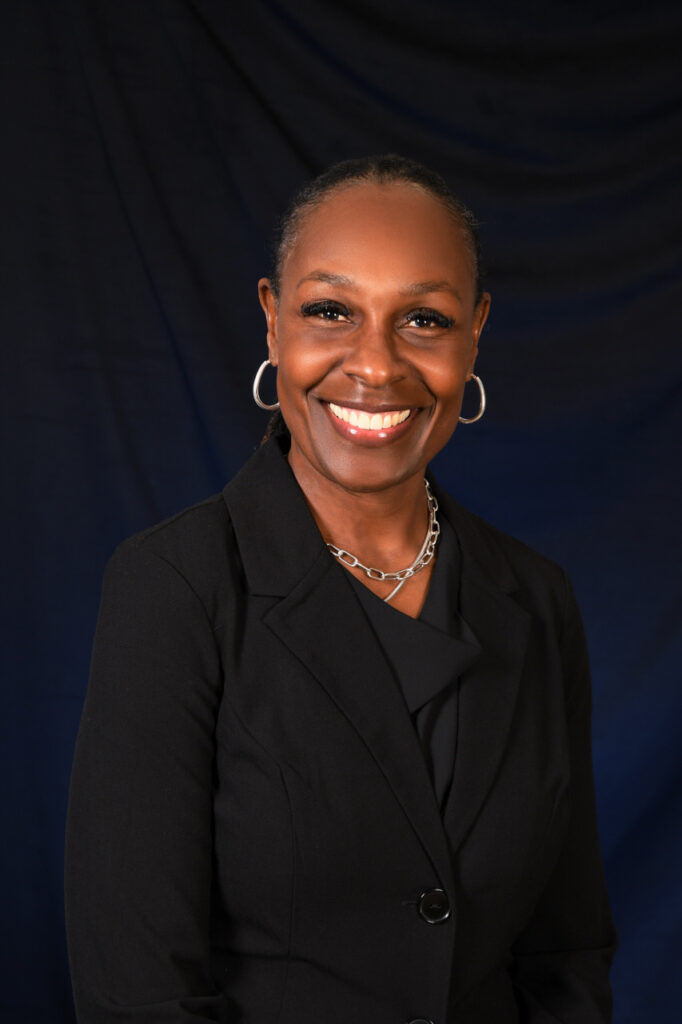
by Dr. Apryl Shackelford, Founder, Primer Microschool in Liberty City, Florida
School systems cannot continue to speak about academic achievement without also speaking honestly about mental health. For Black and Latino children especially, schools are often the very places where trauma, stress, exclusion, and emotional harm are either deepened or healed. As educators, we have a responsibility to create environments that do more than educate students academically—we must cultivate spaces where children, families, teachers, and leaders feel seen, heard, valued, and emotionally safe.
As a school leader rooted in restorative practices, I firmly believe that relationships are the foundation of learning. Before students can thrive academically, they must feel connected to the adults and peers around them. Too often, Black and Latino students enter systems where they are disproportionately disciplined, mislabeled, or viewed through deficit-based lenses rather than recognized for their brilliance, resilience, and potential. When schools focus solely on compliance and punishment instead of restoration and connection, we risk damaging the very students we are called to serve.
This is why social-emotional learning must be intentionally infused into the learning environment every single day. Social-emotional learning is not an “extra” or something schools only focus on after behavior issues arise. It is the work. It is the foundation that allows students to develop self-awareness, emotional regulation, empathy, communication skills, and healthy relationships. In our restorative school community, SEL is embedded into classroom conversations, restorative circles, collaborative learning opportunities, reflection practices, and even the way adults communicate with students and families. We create opportunities for students to express their feelings, solve conflicts peacefully, reflect on their choices, and learn how to navigate emotions in productive ways.
When schools intentionally prioritize emotional wellness, students feel safer, and safe students learn better. Research continues to show that students who feel emotionally connected to their school community demonstrate stronger academic performance, increased attendance, and improved behavior. More importantly, they begin to see school as a place of belonging instead of survival.
The importance of this work extends beyond students. Teachers, administrators, and families also deserve emotionally healthy school environments. Educators today are navigating immense pressure, burnout, and emotional exhaustion. Families, particularly in underserved Black and Latino communities, are often balancing economic stress, community violence, grief, and systemic inequities while still trying to support their children academically. Schools cannot operate as if these realities do not exist. Restorative practices create opportunities for healing-centered engagement where all stakeholders feel respected and supported.
One example that continues to remind me why restorative practices matter involves a middle school student I will call “Marcus.” Marcus entered our school carrying significant emotional weight. He struggled academically, frequently shut down in class, and often responded to frustration with anger and defiance. In many traditional school settings, his behaviors may have immediately resulted in repeated suspensions or removal from the classroom. Instead, our restorative approach focused on building relationships before consequences. Through daily check-ins, restorative circles, mentoring conversations, and consistent emotional support from staff, Marcus slowly began to trust the adults around him. Over time, he became more engaged academically, started expressing his emotions verbally instead of through disruptive behavior, and even began encouraging other students during community circles. What changed Marcus was not punishment—it was connection, consistency, and the opportunity to feel seen and valued within his school community.
I have also witnessed the impact restorative practices can have on families. One mother shared with me that, for the first time, she felt welcomed into a school rather than judged by one. She explained that previous school experiences often made her feel like she was only contacted when something went wrong. Through restorative family conferences and intentional relationship-building, she began to feel like a true partner in her child’s education. That sense of belonging strengthened not only her relationship with the school, but also her child’s confidence and emotional growth. These moments are powerful reminders that restorative approaches do not just transform students—they transform entire school communities.
Stories like these are why restorative work matters so deeply. Children cannot learn effectively when they are operating in survival mode. They cannot focus on reading, math, or science if they are carrying anxiety, fear, trauma, or hopelessness without support. Likewise, educators cannot pour into students when they themselves are emotionally depleted and unsupported. Schools must become spaces where healing and learning coexist.
As educational leaders, we must move beyond performative conversations about equity and achievement gaps and commit to creating systems rooted in humanity, dignity, and emotional wellness. Mental health support, restorative practices, and social-emotional learning are not barriers to academic success—they are pathways to it. If we truly want Black and Latino students to thrive, we must first ensure they are learning in environments where they feel emotionally safe, culturally valued, and deeply connected to the people around them.
When schools choose restoration over punishment, relationships over exclusion, and healing over harm, we create communities where students do not simply survive—they flourish.